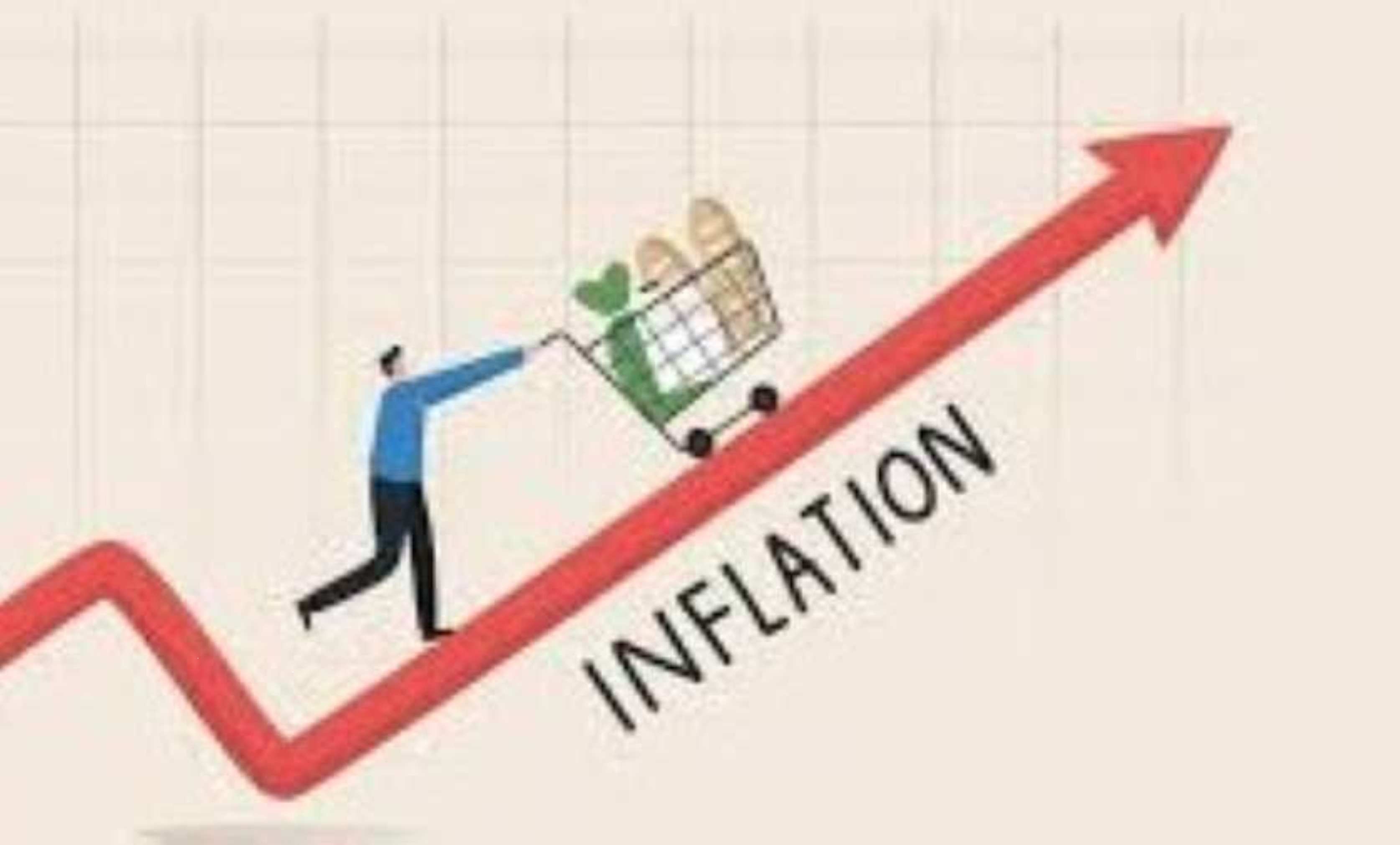
The double-digit surge in transportation costs is trickling down to kitchen essentials, with urban households feeling the tightest squeeze.
KATHMANDU, NEPAL — Nepal’s consumer price inflation climbed to 4.47 percent in mid-April 2026, up from 3.39 percent during the same period last year, according to the latest data from the Nepal Rastra Bank. The surge is primarily attributed to a massive hike in fuel prices, which has triggered a chain reaction across the transport and food sectors.
The Energy Crisis in Numbers
The cost of living has taken a direct hit from global oil market volatility, exacerbated by ongoing tensions between the United States and Iran. As a country entirely dependent on imported fuel, Nepal’s domestic prices have mirrored this international turmoil.
Petrol: Rs 217 per litre (up from Rs 157)
Diesel: Rs 225 per litre (up from Rs 142)
Transport Inflation: Increased by over 12 percent
Urban vs. Rural: The Widening Gap
The data reveals a stark difference in how price hikes are affecting various regions. Urban areas—where residents rely heavily on market-purchased goods and public transport—saw inflation hit 4.74 percent. In contrast, rural areas recorded a lower rate of 3.71 percent, thanks in part to subsistence farming and a lower reliance on fossil-fuel-dependent logistics.
Food Security Concerns
While fuel is the primary driver, the ultimate "destination" for these costs is the dinner table. The rise in diesel prices has pushed up the cost of transporting produce from the Tarai plains and India to the capital. Consequently, prices for cooking oil, fruits, and daily vegetables have shown a "noticeable increase," placing immense pressure on low-income groups and daily wage earners who lack a financial cushion.
What’s Next?
Economists warn that the outlook remains "highly uncertain." If international oil prices do not stabilize, the pressure on both the Nepali rupee and the average citizen’s wallet will only intensify.
Market analysts suggest that the government must move beyond mere data collection to implement stricter market monitoring. Such oversight is essential to prevent "artificial price hikes" and hoarding by wholesalers looking to capitalize on the fuel crisis.