Nepal’s export economy is rewriting its own script—and doing it in ways that would have seemed impossible a decade ago. For generations, the country’s global trade story could be summed up in a few words: carpets, pashmina, tea, and a handful of farm goods. Today, that narrative is fracturing into something far more dynamic. From clean electricity surging across borders to chunks of Churpi (hardened yak milk) traveling from high-altitude pastures to premium pet boutiques in New York, Nepal is carving out an entirely new kind of global footprint.
Look closely, and you see an economy moving on two distinct tracks. On one side are the heavyweight industrial commodities—high-volume, fast-moving goods built largely around regional trade with India. On the other is a rising ecosystem of boutique, identity-driven products deeply rooted in Nepal’s unique geography, biodiversity, and culture. Together, these two tracks tell a story of immense potential, but also of deep structural growing pains.
I. The Industrial and Commodity Backbone
A massive chunk of Nepal’s export revenue still comes from a surprising role: operating as a regional "refining hub" for South Asia. By tapping into regional trade deals like SAFTA (South Asian Free Trade Area), Nepali businesses import raw materials, process them in local factories, and ship the finished products right back out—predominantly to India.
Edible Oils: The Unexpected Heavyweight

You might not associate Nepal with vast oil seed fields, yet refined edible oils—soybean, palm, and sunflower—remain the heavyweights of the export basket.
The logistics are a masterclass in regional supply chains: Nepal buys crude oil from fields in Argentina, Malaysia, and Indonesia, refines it in domestic factories, and sells it to the massive Indian market next door. This pipeline keeps factories humming, fills government coffers with customs duties, and provides thousands of industrial jobs, particularly across the Terai plains.
But this reliance reveals a fragile underbelly. Because these factories depend entirely on foreign raw materials, the entire sector sits at the mercy of shifting Indian tariff laws and the volatile swings of global commodity pricing.
Yarn, Zinc, and Jute
Beyond oil, Nepal’s industrial engine relies on polyester yarn and synthetic threads, which feed garment factories in India, Turkey, and Vietnam. The profit margins are razor-thin, but it keeps Nepal woven into the wider Asian manufacturing grid. Meanwhile, everyday essentials like corrugated zinc sheets and jute bags maintain a steady heartbeat—the zinc roofing regional construction projects, and the jute acting as the ultimate sustainable packaging for South Asian agriculture.
II. The Rise of High-Value and Niche Exports
While heavy industry drives the volume, the real excitement is happening in sectors that trade on Nepal’s unique Himalayan identity. As global consumers increasingly look for authenticity and sustainability, Nepal is finding that its traditional ways of life are suddenly highly marketable.
Hydroelectricity: Powering the Subcontinent

The most profound shift in Nepal’s modern history is its evolution from a power-starved nation to a clean energy exporter. After enduring years of chronic load-shedding, the tables have turned. Thanks to a boom in hydropower construction and new cross-border transmission lines, Nepal now lights up Indian homes with its surplus summer electricity and is actively drawing up blueprints to supply Bangladesh. This isn't just a trade win; it’s a strategic geopolitical asset in an energy-hungry region desperate to decarbonize.
Churpi: From Himalayan Fuel to Global Pet Phenomenon


The story of Churpi is pure innovation. For centuries, Himalayan herders dried and hardened yak milk into a dense cheese to sustain themselves during long mountain treks. Today, that same ancient recipe has been rebranded as an all-natural, long-lasting dog chew for North American pets. This billion-rupee industry has done something remarkable: it has connected isolated, rural livestock farmers directly to high-end global consumers.
Specialty Crops and "Black Gold"
Nepal’s dramatic shifts in altitude allow it to grow specialty crops that are incredibly difficult to replicate elsewhere:
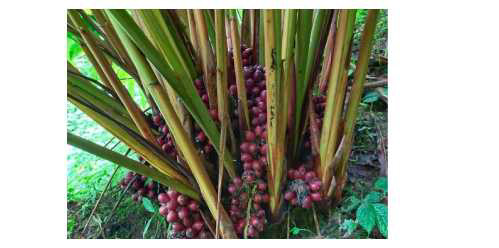

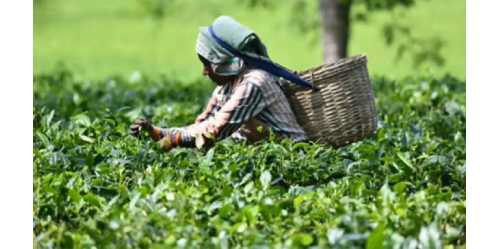
Large Cardamom: Locally dubbed “black gold,” these intensely smoky pods are among Nepal’s highest-value cash crops, highly coveted across the Middle East and India.
Tea and Coffee: No longer just cheap fillers, orthodox Nepali tea and high-altitude Himalayan coffee are being sold as premium "single-origin" experiences. Buyers from Frankfurt to Tokyo are falling in love with the story behind the product—one of high-altitude air, small-scale family plots, and sustainable farming.
Medicinal Herbs and Biodiversity



Nepal’s dense forests are living pharmacies, yielding rare botanicals like Silajit, Jatamansi and Timur (Sichuan pepper) for global cosmetics and medicine. However, this success comes with a warning. Wild harvesting is pushing some ecosystems to the brink, meaning the future of this sector relies entirely on moving from foraging to organized, scientific cultivation.
III. Cultural Exports and Global Identity
Nepal doesn't just export what it grows or refines; it exports its heritage. These ancestral crafts do double duty: they keep ancient skills alive while bringing in crucial foreign currency.
Hand-Knotted Carpets:

Chyangra Pashmina:
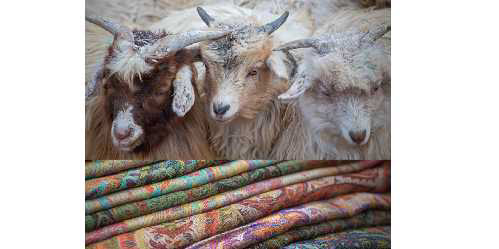
To battle cheap, synthetic imitations, Nepal has weaponized trademark certification. This ensures fashion houses in Paris and Milan know they are buying authentic, cloud-soft cashmere harvested from mountain goats in the high Himalayas.
Sustainable Fashion:


As the world moves away from fast fashion, Nepal’s handmade felt, rugged hemp bags, and textured Lokta paper are winning loyal fans in Europe and Australia—mostly powered by fair-trade networks and women-led cooperatives.
IV. Strategic Outlook: The Way Forward
Nepal’s trade journey is at a critical crossroads. Relying on commodity re-exports offers quick cash, but long-term economic survival depends on branding, sustainability, and absolute uniqueness. The "Himalayan Brand" can no longer just be a pretty phrase on a tourism brochure; it has to be the core economic engine.
To truly thrive on the global stage, Nepal needs to clear a few stubborn hurdles:
Fix the Logistics: Building better roads and modern industrial facilities to cut down the brutally high cost of moving goods out of a landlocked country.
Don't Put All Eggs in One Basket: Actively diversifying trade routes to reduce the country's overwhelming economic dependence on India.
Stop Exporting Raw Material: Shifting the focus from shipping raw ingredients to manufacturing finished, beautifully packaged, and branded goods at home.
Conclusion
Nepal’s export story is growing up. It is no longer just about a single carpet or a sack of tea leaves. Instead, it’s a rich, textured mix of renewable energy, premium agriculture, and timeless craftsmanship. The country is learning to stop selling itself short by trading raw goods, choosing instead to sell value, authenticity, and a piece of its own story. Ultimately, Nepal’s edge in the global market isn’t mass production—it’s an unmistakable, unforgettable identity.