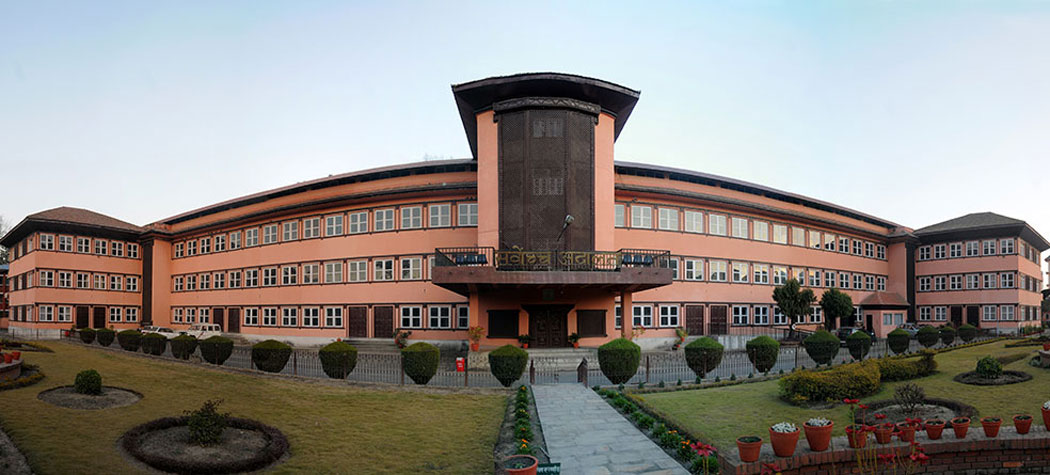
Kathmandu, Nepal- The interim order issued by the Supreme Court of Nepal to halt the demolition of squatter settlements across the country has provided immediate legal relief against further evictions. However, the development has simultaneously ignited debate over the timing of judicial intervention, as large-scale demolitions had already been carried out in multiple locations, including the Kathmandu Valley.
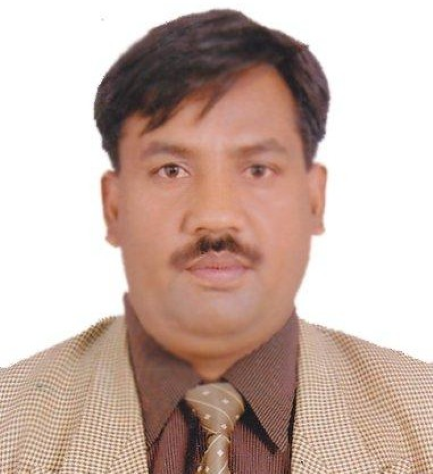
The order was issued on Friday by a joint bench of Justices Kumar Regmi and Nityananda Pandeya in response to a writ petition filed by law student Majid Ansari, who challenged the legality of bulldozer-led evictions and sought immediate judicial restraint.
Relief, But After Irreversible Damage
While the court has directed authorities to maintain the status quo and suspend any ongoing or planned demolitions, the order comes at a stage when many informal settlements have already been dismantled. In several parts of the country, enforcement agencies had proceeded with eviction drives, displacing residents and clearing settlements prior to the court’s intervention.
This sequence has raised critical concerns about the practical efficacy of the order, as the “status quo” now reflects a reality in which numerous communities have already been uprooted. For affected families, the relief is therefore prospective rather than restorative.
Due Process Versus Administrative Action
According to Arjun Prasad Koirala, the court’s directive prohibits any further demolition activities until the case is conclusively decided. The order reinforces the constitutional principle that state actions must adhere to due process and safeguard fundamental rights.
However, the developments also highlight a persistent institutional gap. Administrative bodies, acting on urban management and environmental considerations, moved swiftly to clear settlements, while judicial scrutiny followed only after substantial actions had already taken place. The contrast underscores a broader tension between executive urgency and judicial oversight.
Competing Narratives on Urban Land
The case reflects an ongoing policy dilemma. Authorities often justify demolition drives on grounds of reclaiming public land, mitigating environmental risks, and enforcing urban planning norms. Conversely, rights advocates argue that such actions disproportionately impact economically vulnerable populations and are frequently undertaken without adequate notice, consultation, or rehabilitation measures.
By bringing the issue before the court, Majid Ansari has reframed the debate as one concerning not only legality, but also the state’s obligation to uphold the right to housing and human dignity.
Limits of Interim Intervention
Legal observers note that interim orders are inherently preventive, designed to avoid further harm pending a final ruling. In cases involving physical displacement, however, their delayed issuance can constrain their overall impact.
Key questions remain unresolved:
Whether displaced families will receive compensation or alternative housing
Whether authorities will be held accountable for potential procedural lapses
And whether the court will establish clearer guidelines governing future evictions
Toward a Broader Policy Reckoning
The Supreme Court of Nepal is expected to continue hearings on the matter, with the potential to set an important precedent on eviction procedures and housing rights. Until then, the interim order effectively pauses further demolitions but leaves underlying structural issues unaddressed.
At a broader level, the episode underscores the absence of a coherent national framework for managing informal settlements—one that balances urban development priorities with social protection.
An Unsettled Question
As the legal process unfolds, a fundamental question persists: Can enforcement-driven approaches to informal settlements succeed without parallel commitments to rehabilitation and inclusion?
The answer will likely determine not only the outcome of the case but also the trajectory of Nepal’s urban governance in the years ahead.