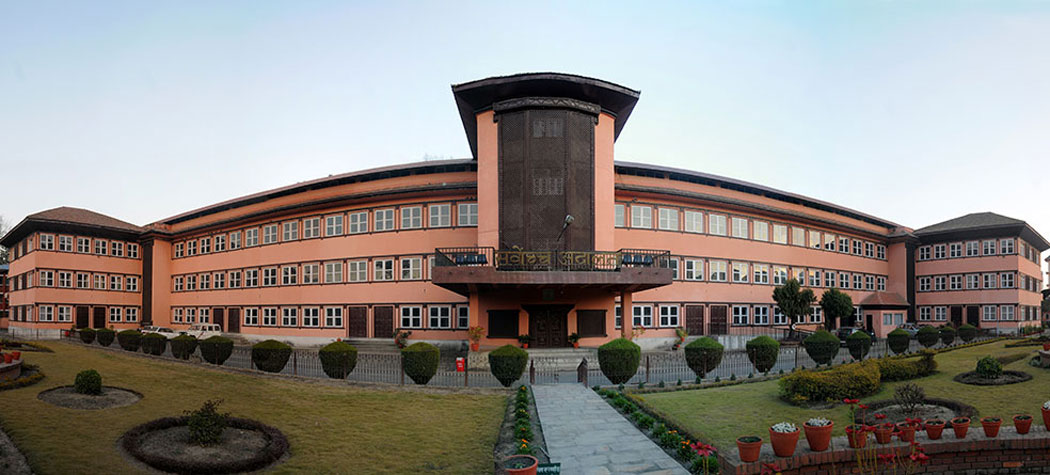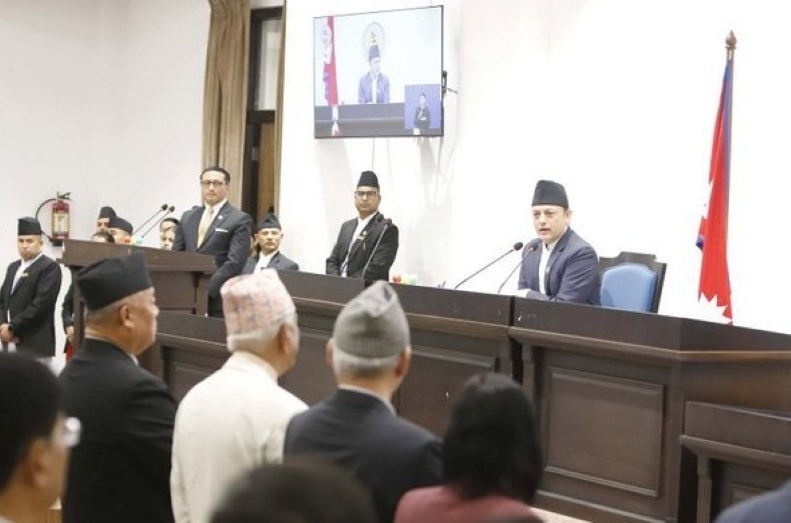
Kathmandu, Nepal: In the hallowed, high-ceilinged hall of the Federal Parliament, the air yesterday was thick with something more heavy than political tension: it was a profound sense of abandonment.
As the clock struck the hour for the Prime Minister to answer for the nation’s future, the seat reserved for the country’s leader remained empty. Just 200 meters away, within the same sprawling complex of Singha Durbar, the machinery of government continued to hum. But inside the chamber, where the hopes of millions are distilled into the voices of their representatives, there was only a stinging silence.
A Silence Louder than Shouts
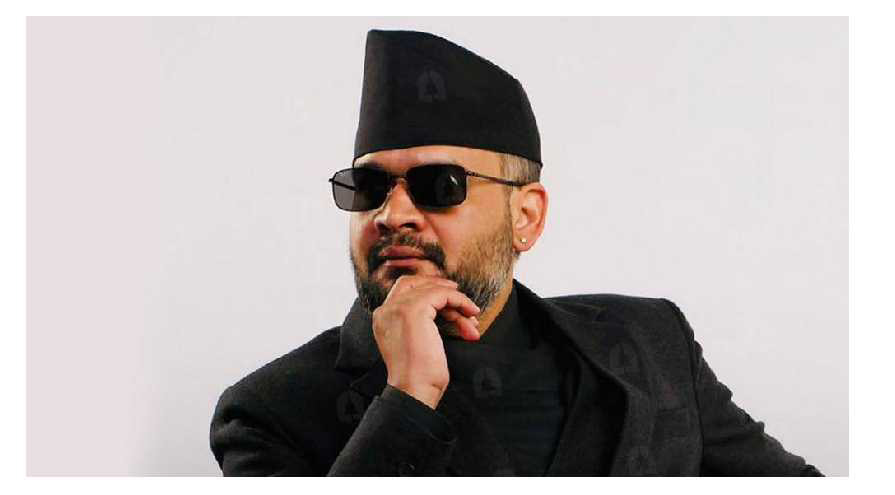
For years, the Nepali public has grown weary of a Parliament defined by noise—shouting matches, desk-thumping, and chaos. Yesterday, the opposition offered a different, more haunting image. Led by Bhishma Raj Angdembe, lawmakers stood in their places, motionless and mute.
"We aren't here to shout today," one lawmaker whispered in the lobby afterward. "How do you argue with an empty chair? We are just waiting to be seen."
This "silent protest" served as a mirror to the quiet desperation of the citizens outside. For a farmer in the Terai waiting on fertilizer subsidies or a young graduate in Kathmandu looking for a reason not to fly to the Gulf, the Prime Minister’s absence wasn't a procedural technicality—it felt like a door being closed in their faces.
The 200-Meter Chasm
The tragedy of the day was not the distance, but the disconnection. That 200-meter stretch of asphalt between the Prime Minister’s Office and the Parliament floor has become, in the eyes of many, the widest gap in the country.
When a leader stays behind closed doors while the people’s representatives stand in wait, the message sent to the street is clear: The business of governing is happening, but you are not invited to watch.
Constitutional experts and former officials, like Manohar Prasad Bhattarai, warn that this is how the "soul" of a democracy withers. "A leader might be busy with a thousand files," Bhattarai noted, "but if he loses the habit of looking his critics—and by extension, his people—in the eye, the bond of trust snaps."
The Weight of an Unanswered Question
To the casual observer, the session was about "Policies and Programs"—dry, bureaucratic documents. But to the human heart, these documents are the blueprints for life. They represent the price of milk, the quality of a child’s classroom, and the transparency of the courts.
When the Prime Minister does not show up to defend these plans, those blueprints feel like mere paper. The "New Politics" that swept the nation years ago promised a government that would listen, feel, and respond. Yesterday, however, the heavy gates of Singha Durbar seemed to swing shut, leaving the "new" and the "old" looking remarkably similar.
The Human Toll
As the House adjourned and the lights dimmed in the chamber, the real casualty wasn't the schedule—it was the fading optimism of a public that had dared to hope for a more present leadership.
The Prime Minister may have been occupied with the heavy burdens of state just a few steps away, but for the citizens watching the empty chair on their television screens, the takeaway was simpler and far more painful: Our questions can wait. Their meetings cannot.
The House will eventually resume. The chair will eventually be filled. But the shadow cast by yesterday’s empty seat may take much longer to disappear.