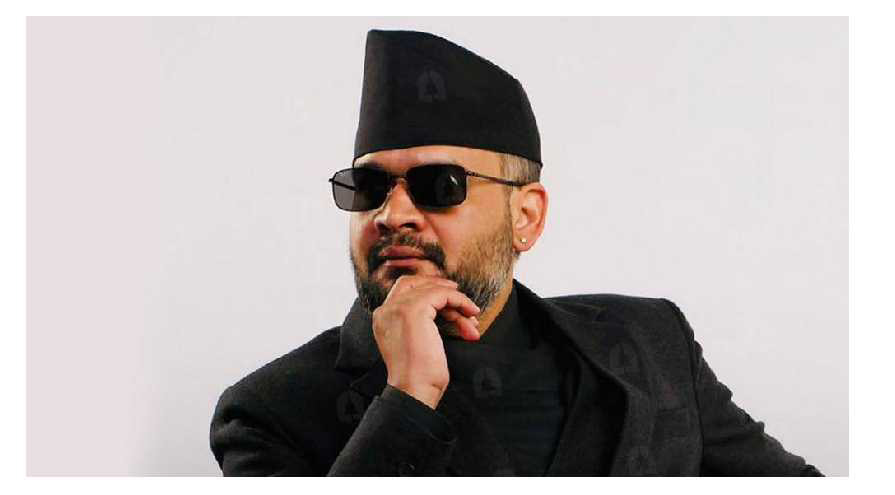
- A Kaski court dropped organized crime and money laundering charges against Rabi Lamichhane, focusing the trial solely on cooperative fraud.
- The judge aims to fast-track the legal process to ensure victims receive refunds for their lost savings more quickly.
- Critics fear removing complex charges might limit the state's ability to trace and recover hidden assets from corporate networks.
- The ruling offers political relief for Lamichhane while fueling public debate regarding judicial independence and potential political compromises.
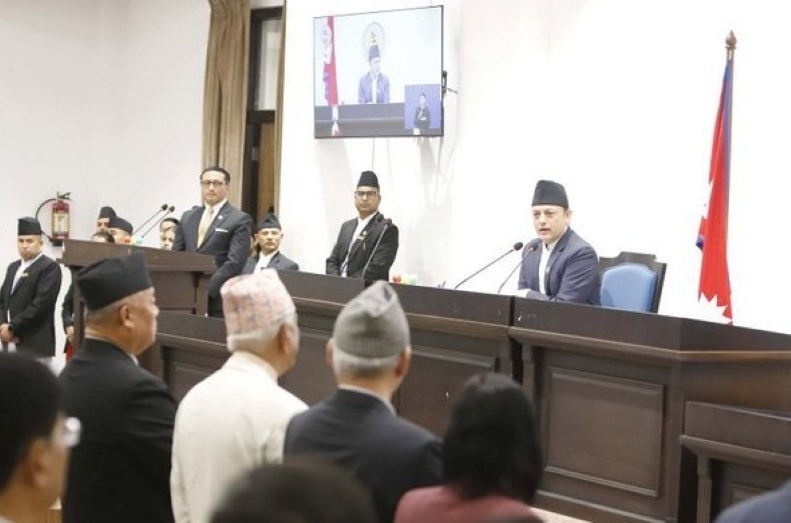
Pokhara, Nepal: On Friday, a quiet courtroom in Kaski made a decision that rippled across the country. District Judge Himlal Belbase approved a request to drop the heavy charges of organized crime and money laundering against Rastriya Swatantra Party (RSP) Chairman Rabi Lamichhane, steering the trial exclusively toward one single focus: "Cooperative Fraud."
To legal scholars, it was an exercise in streamlining judicial backlogs. To politicians, it was another chess move in Kathmandu's endless power games.
But to the thousands of ordinary families who watched their life savings vanish into the Suryadarshan Cooperative, the ruling brings a messy mix of fragile hope and deep anxiety.
The Depositors’ Dilemma: Justice vs. Survival
For the victims of the cooperative scam, the legal labels matter far less than a single, burning question: When do we get our money back?
The court justified its decision by putting these families first. In his order, Judge Belbase wrote that "ensuring the smooth and speedy refund of the savings" is the true purpose of this trial. The argument is intensely practical: prosecuting money laundering and organized crime requires years of tracing complex offshore accounts, forensic auditing, and endless bureaucratic red tape. By stripping away those charges, the court is essentially trying to fast-track a verdict so the liquidation of assets can begin.
Yet, for many victims, this pragmatic victory feels bittersweet. While it cuts through the legal gridlock, it also strips the state of its most powerful tools. Without money laundering charges, prosecutors lose the leverage to freeze hidden assets across complex corporate networks. For a retired laborer or a small shopkeeper who trusted the cooperative with their life’s work, the fear is real: Will a faster trial mean a smaller payout?
A Nation Divided: Relief vs. Cynicism
Outside the courtroom doors, the public reaction highlights a deep, systemic fatigue among ordinary citizens.
For Lamichhane’s fierce base of supporters, the ruling is a moment of vindication. They have long maintained that the mountain of multi-district charges piled onto the charismatic former TV host turned politician was a coordinated "political vendetta" designed by old-guard parties to crush a rising political threat. For them, Friday’s decision feels like a breath of fresh air, sign that the judiciary can still stand independent of political pressure.
On the other side of the fence, ordinary citizens fatigued by political scandals, view the timing with deep cynicism. They see a system where powerful figures enter custody on grave national charges, only to have those charges quietly diluted once the political winds shift. To them, the decision feels less like judicial efficiency and more like a tactical compromise managed by the political elite.
The Reality on the Ground
With this rule, the legal theater surrounding the Suryadarshan scam has been scaled down. The trial will no longer be an expansive, cinematic showdown over shadowy financial syndicates and organized crime rings.
Instead, it returns to what it always should have been: a grounded battle for financial accountability. For Rabi RSP Chair Lamichhane, a massive legal hurdle has been cleared for now paving the way for his return to active political life. But for the middle-class families of Pokhara, the true test of this verdict won't be measured in legal precedents or political victory laps—it will be measured in the rupees that find their way back into their empty bank accounts.