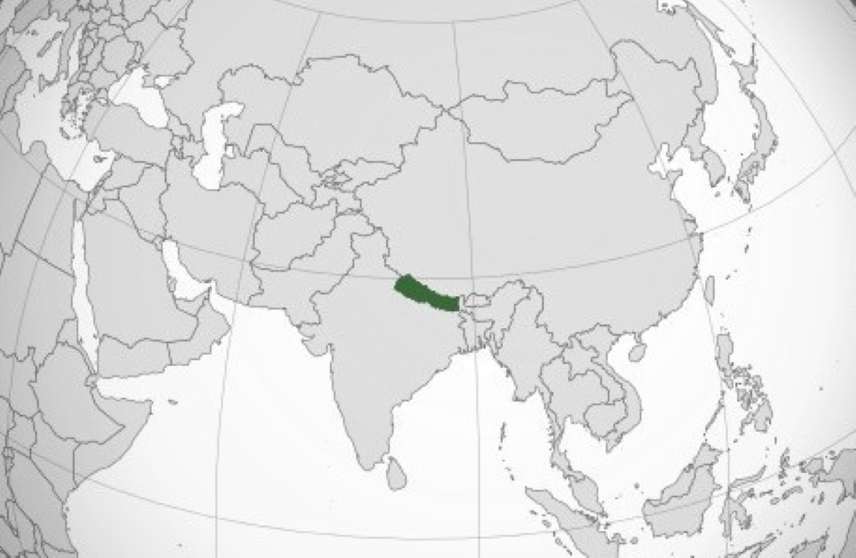
Kathmandu, Nepal: Nepal may not be the first country that comes to mind when businesses look for outsourcing destinations—but that is slowly changing.
A new global report has ranked Nepal 19th in the world for outsourcing competitiveness, placing it among the top 20 countries. For many, this is more than just a number—it reflects the growing presence of young Nepali professionals working behind the scenes for companies across the world.
The Global Outsourcing Talent Index 2026 highlights what many in the industry have already begun to notice: Nepal offers skilled, English-speaking workers at costs that are difficult to match. For small businesses and startups trying to manage expenses, this combination is increasingly attractive.
Behind this ranking are thousands of young people—freelancers, developers, designers, and virtual assistants—logging in from Kathmandu, or even smaller towns. Many of them work odd hours, adjusting to foreign time zones, quietly contributing to projects they may never see in person.
One of Nepal’s biggest strengths is its affordability. Labour costs are among the lowest globally, even compared to major outsourcing hubs like India. For companies abroad, this means they can build teams without high expenses. For Nepali workers, it means more opportunities to connect with the global job market.
But the story is not just about cost. English proficiency in Nepal is relatively strong, especially among young graduates. Many study technical subjects in English, making it easier for them to work with international teams. This has helped Nepali workers build trust with global clients.
Still, the journey is not without challenges.
Many workers face unstable internet connections, limited access to advanced tools, and unclear government policies. Industry experts say that while talent is growing, support systems have not kept pace.
“There is potential, but also uncertainty,” say professionals in the sector, pointing to inconsistent tax rules and lack of clear regulations. For international companies, concerns about data protection and business stability can also become deciding factors.
Despite this, Nepal’s outsourcing sector continues to grow. IT services alone brought in around 515 million dollars in exports in 2023. For many young people, this field is becoming a path to financial independence without leaving the country.
There are also small but meaningful advantages. Nepal’s unusual time zone—45 minutes different from standard global time—can actually help businesses coordinate work between regions like Southeast Asia and the Middle East.
Perhaps the most powerful factor, however, is the people themselves. Nepal has a young workforce eager to learn, adapt, and stay committed. Unlike in more competitive markets, workers here often stay longer in jobs, offering companies stability and continuity.
The report describes Nepal as a “hidden gem.” But for those working in the field, it is not hidden—it is simply waiting to be recognized.
If the country can improve its digital infrastructure, bring clarity to policies, and support its growing workforce, Nepal’s place in the global outsourcing map could rise even further.
For now, the story is simple: from small rooms and shared workspaces, Nepali professionals are quietly connecting to the world—and the world is beginning to notice.